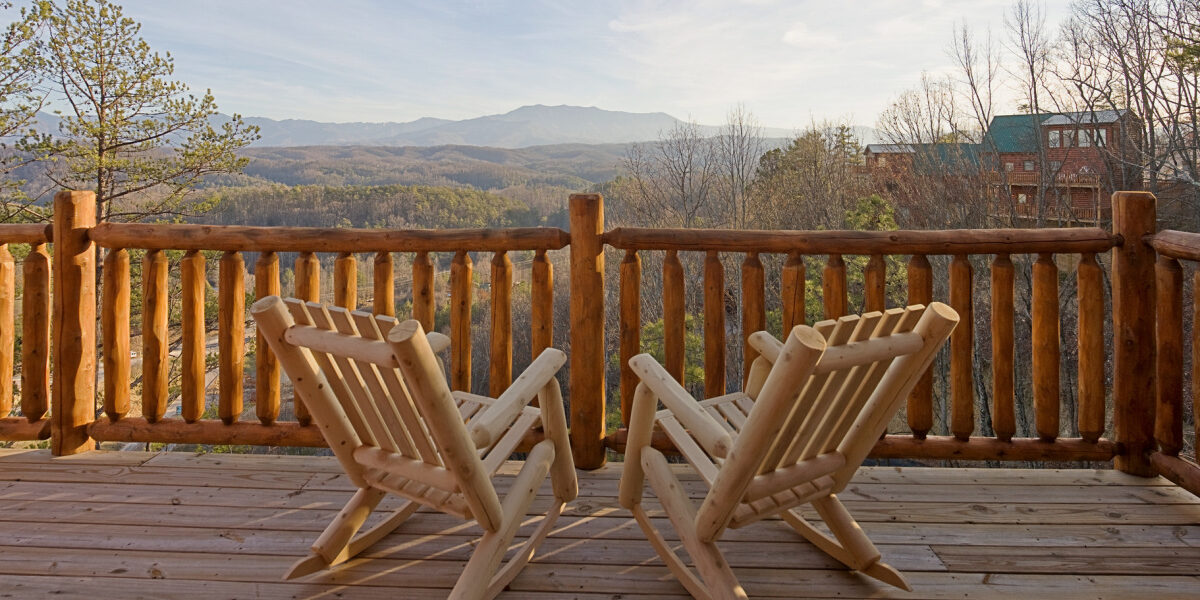
A mountain home near Asheville comes with a different due-diligence list than a house a few blocks from downtown. Private wells, gravel roads, steep driveways, and land that stretches well past what a city lot ever could all change how a lender underwrites the loan, not just how the property shows on a Sunday tour. Whether you’re eyeing a cabin outside Black Mountain, a lot toward Brevard, a place up near Cashiers, or you’re relocating from out of state and want a home base in the mountains, work through these seven questions with your independent mortgage lender in Asheville before you write an offer.
1. Is This a Second Home or an Investment Property?
Lenders sort mountain properties into different buckets, and the bucket changes your rate, your down payment, and how much of your own money you need in reserve. A second home is one you and your family use for part of the year. An investment property is one you’re buying primarily to rent out. Renting the place a handful of weekends a year usually doesn’t reclassify it, but a plan to run it as a short-term rental most of the season does. Tell your lender that plan on day one, before underwriting has already priced the loan as a second home.
2. How Will You Finance It: a New Loan, or the Equity You Already Have?
Most second-home purchases in the mountains go one of two ways: a conventional second-home loan, or a jumbo loan once the price climbs past conforming limits, which happens often on larger acreage and view lots. The other path is a cash-out refinance against equity you’ve already built in your primary home, and more Buncombe County homeowners have that option now that assessed values have climbed the way we outlined here. Which route makes sense depends on your current rate, how much equity you’d be pulling out, and what you want your monthly payment to look like. Have that conversation, and get preapproved, before you start touring, not after you’ve found the property.
3. Does the Property Run on a Private Well or Septic System?
Most mountain properties outside city limits do, and that changes the appraisal. FHA, VA, and USDA loans all require a water quality test on any property with a private well, and if the appraiser can’t confirm the well sits far enough from the septic system, a septic evaluation gets added as a condition of the loan. VA does not set its own fixed number here and instead defers to your local health department’s standard, which commonly falls in the 50 to 100 foot range depending on the county. FHA and USDA lean on those same local standards. Conventional loans are more flexible and typically only require these tests if the appraiser flags a specific concern. On a smaller mountain lot, ask your agent to confirm well-to-septic distance before you’re under contract, not after the appraisal comes back with a condition attached.
4. Is the Property in a Flood Zone, and What Will Insurance Actually Cost?
A flood zone determination happens early on every loan file, and if FEMA maps place the property in a Special Flood Hazard Area, flood insurance becomes a closing requirement on top of your regular homeowner’s policy. This matters more in Western North Carolina than it used to. Helene showed how many flooded properties sat outside FEMA’s mapped zones at the time, and flood risk along creeks and river valleys has drawn more scrutiny since. If the property backs up to water or sits in a valley, ask your lender to run the flood determination before you write the offer, so the added insurance cost is part of your budget from the start instead of a surprise at closing.
5. What Will Property Taxes Actually Look Like?
Listing sites often estimate taxes off outdated assessment data, and that estimate can be way off right now. Buncombe County’s 2026 reassessment pushed values up sharply, but a state moratorium means this year’s bills are still running on 2021 values paired with a new county rate. We walked through the full mechanics in a recent post if you want the details. Properties in Henderson, Transylvania, or Jackson County run on their own separate assessment cycles and rates entirely. Before you fall in love with a number on a listing page, ask your lender to model the actual tax line for that specific county and parcel. Our free mortgage calculator is a reasonable starting point, but a real conversation gets you a far more accurate number.
6. Do You Plan to Rent It Out Part of the Year?
A lot of mountain buyers plan to offset the mortgage with short-term rental income, and that plan touches more than financing. Before you count on that income to make the math work, confirm:
- Whether the county or municipality permits short-term rentals on that specific property
- Whether an HOA or covenant restricts rentals, even if local zoning allows them
- Whether your lender will count projected rental income toward qualifying, and what documentation that requires
- How a rental use changes your homeowner’s insurance versus a policy written for personal use only
Skipping this step is one of the most common ways a mountain home purchase runs into trouble mid-contract.
7. Have You Budgeted for the Costs Beyond the Mortgage Payment?
Mountain properties carry costs a city home doesn’t: private road maintenance fees, well and septic upkeep, longer driveways to plow or grade after a storm, and homeowner’s insurance that runs higher at elevation or near tree lines. None of these show up in a mortgage payment calculator, but they show up in your monthly budget the moment you close. Walk through them with your lender alongside the loan numbers so the payment you qualify for is one you can actually afford to keep.
Let’s Run Your Real Numbers Before You Fall for the View
A mountain home is as much a financing decision as it is a lifestyle one, and the right lender can walk you through both at the same time. Zachery Adam and the team at GoPrime Mortgage work with second-home buyers across Asheville, Hendersonville, Black Mountain, Weaverville, Brevard, and Cashiers every week. Call, click, or come in. Reach us at (828) 348-1907, apply online, or stop by our West Asheville office at 862 Haywood Rd, Asheville, NC 28806.